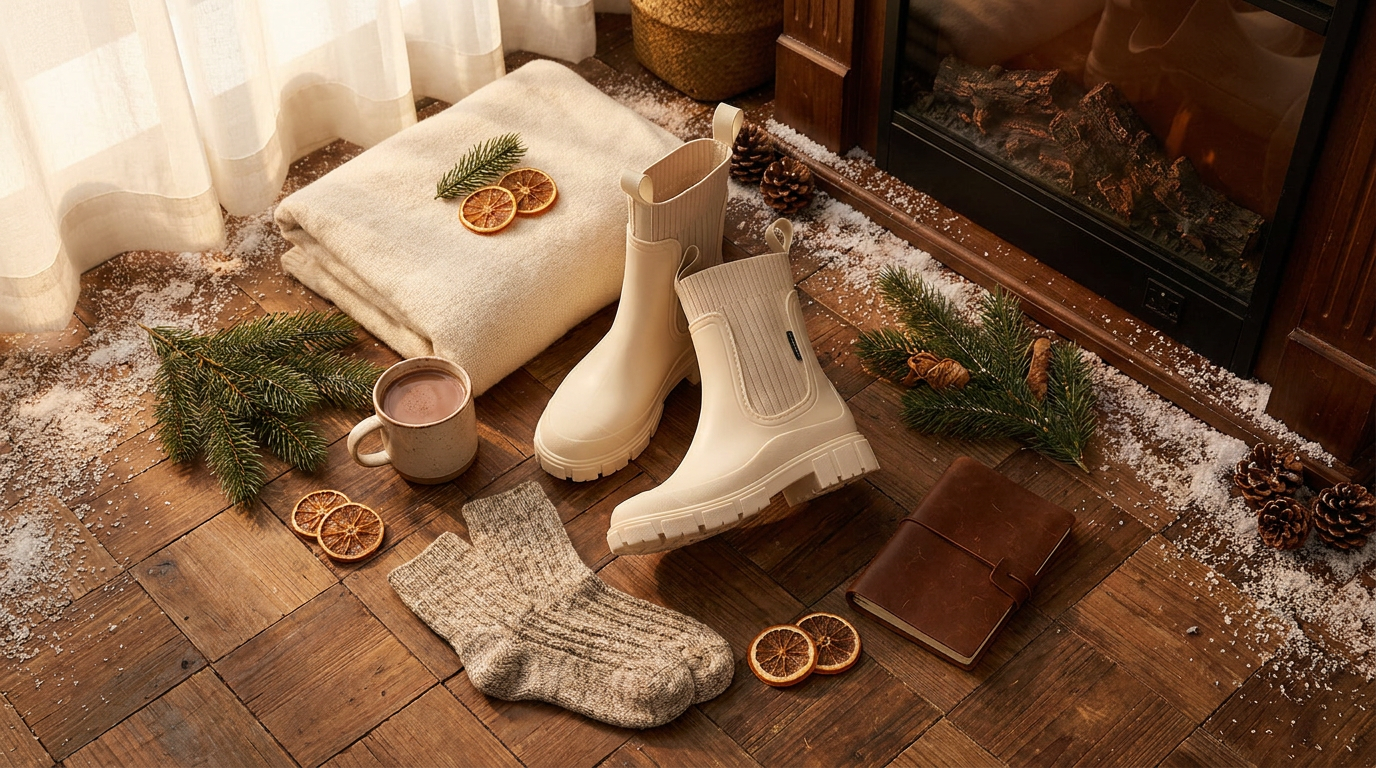
Women’s Outdoor Boots | Rounded Toe Design for Icy Terrain
 Jordan HaleStaff Writer
June 25, 2026. This review explores the practical performance of rounded toe footwear in sub-zero environments for winter commuters and hikers.
The first thing I noticed was the crunch of fresh powder underfoot and the distinct lack of pressure on my forefoot. When the temperature drops and the pavement turns into a sheet of glass, the physics of footwear becomes a matter of safety rather than just style. For many women, winter walking often involves a compromise between narrow, sleek profiles and the actual stability needed to stay upright. According to Men's & Women's Non Slip Snow Boots-NORTIV 8, footwear designed for extreme temperatures must prioritize keeping the wearer dry and comfortable while maintaining a grip that resists the slickest surfaces. This balance is difficult to strike when the boot construction forces the toes into a tapered point, which effectively reduces the surface area available for weight distribution. On a particularly bitter Tuesday morning, I found myself navigating a steep, unplowed driveway where every step felt like a gamble. It turns out that the shape of the toe box plays a much larger role in proprioception—your body's ability to sense movement and position—than most people realize. When your toes can splay naturally and grip the insole, your ankles can better compensate for micro-slips on black ice. This is precisely why Women’s Outdoor Boots | Rounded Toe Design for Snow Traction are becoming a staple in winter wardrobes; they allow for a natural foot posture that pointed or narrow designs simply cannot replicate.
Somewhere around week two of testing, I realized that the internal volume of the Women’s Outdoor Boots | Rounded Toe Design was the secret to staying warm without sacrificing agility. In many traditional hiking boots, the insulation takes up so much room that the toes are compressed, which actually restricts blood flow and makes your feet colder. Because these boots utilize a rounded silhouette, there is a pocket of dead air that acts as a thermal barrier. This design philosophy is central to why Women’s Outdoor Boots | Rounded Toe Design best for snow, as the extra space accommodates heavy wool socks without creating the painful pinch points that lead to blisters. During a three-mile trek through slushy wetlands, the water-resistant exterior held firm, but it was the traction pattern on the outsole that stood out. The lugs are spaced widely enough to shed wet snow, preventing the "clogging" effect that turns some boots into smooth skates. This specific geometry ensures that non-slip round toe boots for snow maintain a consistent bite on the ground, whether you are stepping onto packed ice or loose, granular drifts. I keep coming back to the weight of the boot as well; despite the rugged appearance, the materials are light enough to prevent the leg fatigue that usually sets in after an hour of trudging through deep drifts. It is a rare combination of heavy-duty protection and ergonomic freedom.
Choosing the right pair requires looking past the surface level and evaluating the structural integrity of the boot. When I look at the three-axis selection for Women’s Outdoor Boots | Rounded Toe Design, I focus on the intersection of flexibility, thermal retention, and lateral support. A boot can have the best tread in the world, but if the upper is too stiff, your gait becomes unnatural, increasing the risk of a fall. I have found that a successful winter boot must meet a specific set of criteria to be considered truly reliable for daily use in harsh climates. First, the toe box must allow for toe wiggling even with thick thermal socks. Second, the sole must be composed of a rubber compound that remains pliable in freezing temperatures, as hard plastic soles lose their grip on ice. Third, the lacing system should provide enough tension to lock the heel in place, preventing the foot from sliding forward into the front of the boot during descents. Finally, the height of the shaft should be sufficient to keep snow from entering over the collar. These factors are what differentiate a standard fashion boot from Women’s Outdoor Boots | Rounded Toe Design intended for real-world winter utility.
- Check for a multi-directional lug pattern on the outsole.
- Verify the presence of a gusseted tongue to keep out debris.
- Ensure the midsole provides enough arch support for long-duration wear.
- Look for reinforced bumpers at the toe and heel for added durability.
- Confirm the insulation rating matches your local climate needs.
Sources
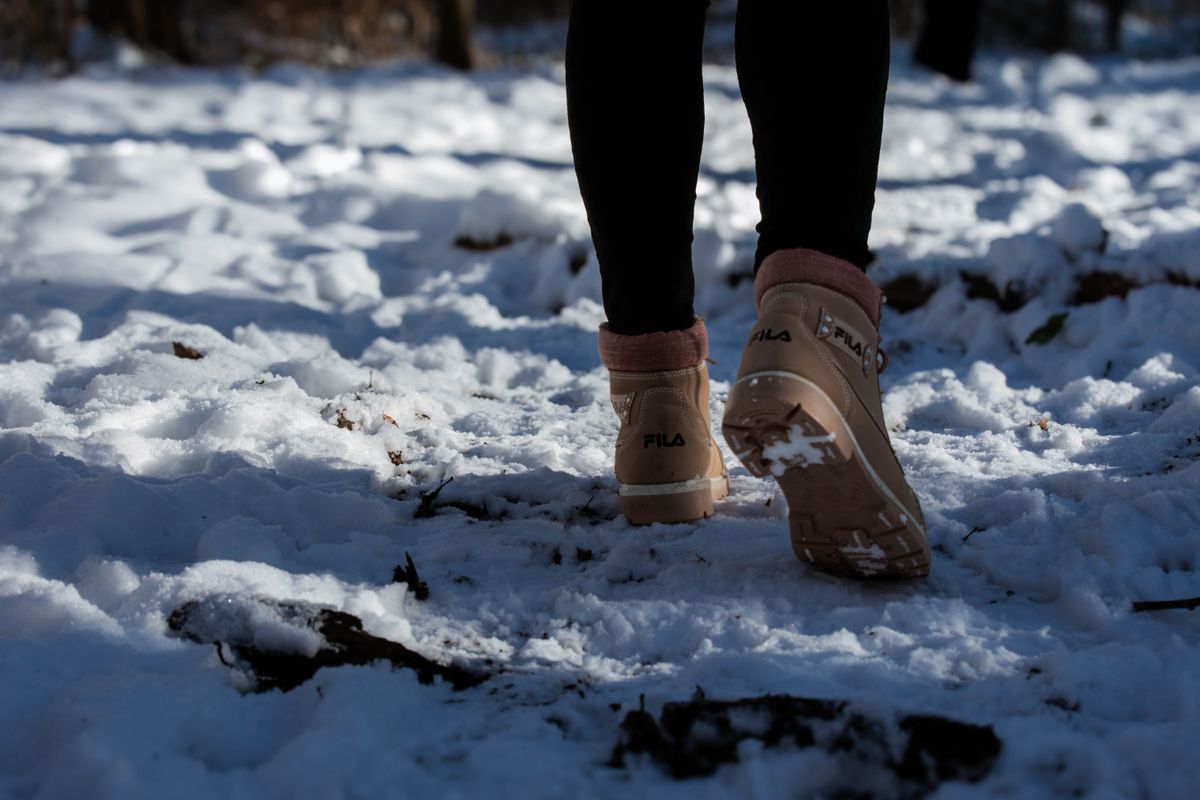
Photo by Aylin Hols on Pexels