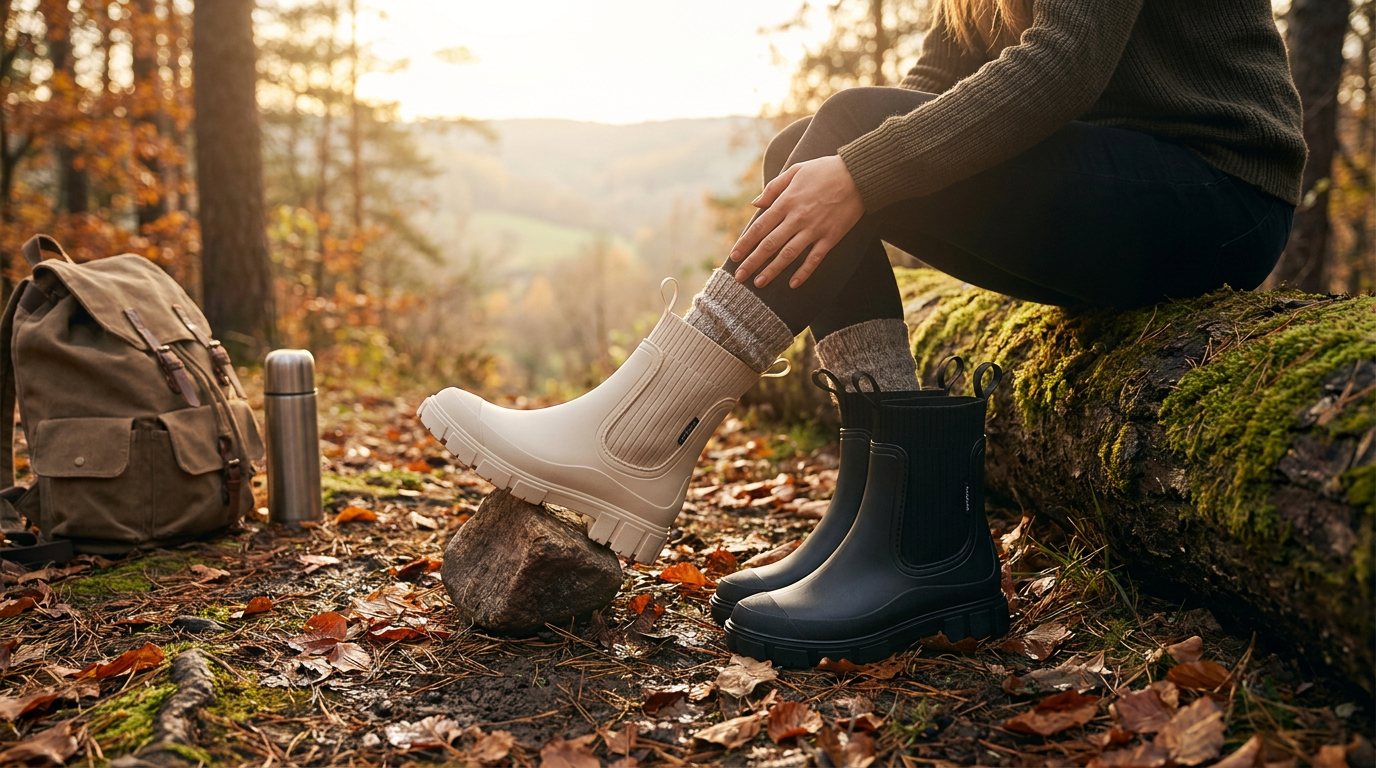
The Biomechanical Flaw in Most 'Stylish' Walking Boots
 Maya ChenContributing Editor
Everyone praises stylish round-toe boots for comfort, but they ignore a critical flaw: most are designed for aesthetics, not the biomechanics of actual walking. The conventional wisdom says a wider toe box automatically equals a better walking experience. This overlooks the functional compromises made in the name of a clean silhouette, turning a promising design into a source of fatigue and pain after the first mile.
The Stiff Sole Deception
Here's the part nobody talks about: the sole. A truly functional walking boot requires a sole that flexes at the ball of the foot to facilitate a natural gait. Most fashion-centric 'walking' boots use a single, rigid piece of material from heel to toe. This plank-like construction offers zero arch support and fights your foot’s propulsive phase with every step. While it creates a sleek profile, it forces your plantar fascia and lower leg muscles to work overtime, leading to premature fatigue. Understanding the biomechanics of a proper walking stride reveals that flexibility isn't a luxury; it's a mechanical necessity.Heel Lock: The Forgotten Component
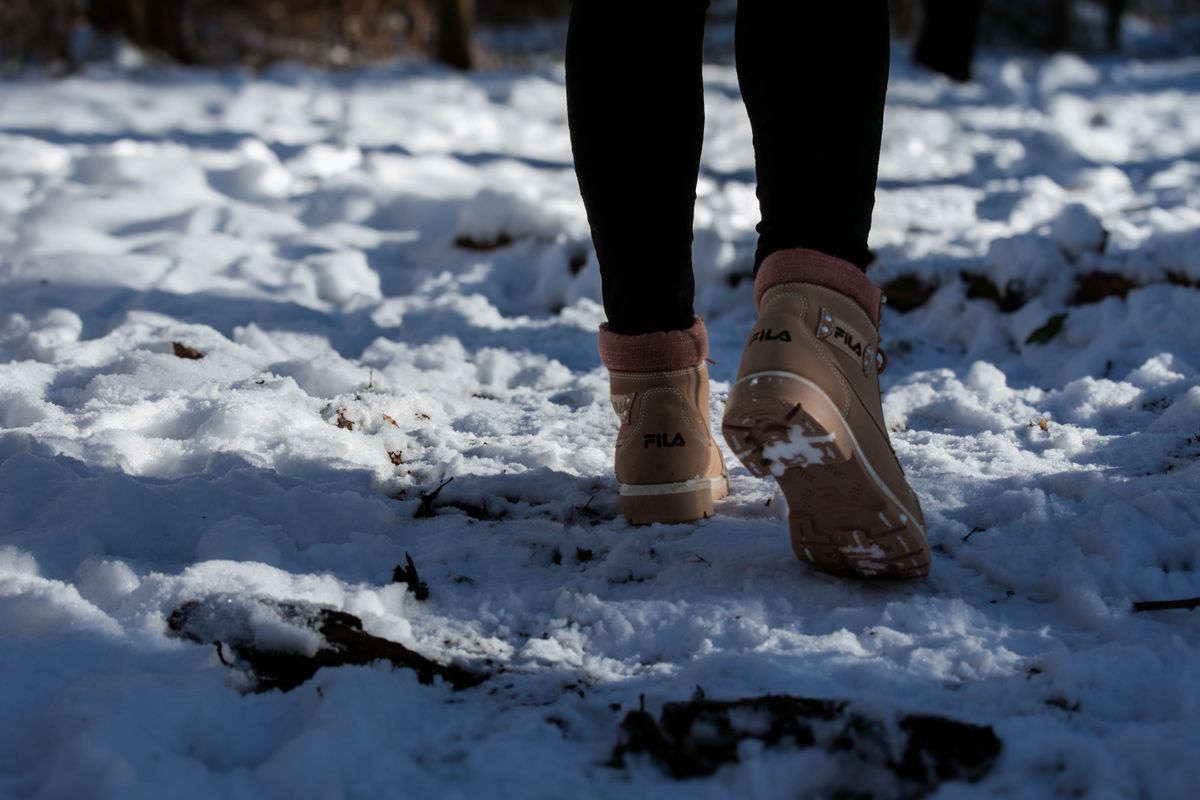
Photo by Aylin Hols on Pexels
A spacious round toe box is rendered useless if the boot lacks proper heel lock. When the heel isn't secured, the foot slides forward with each step, especially on inclines or uneven terrain. This constant forward motion negates the benefit of the wide toe box, causing toes to jam into the front of the boot and creating friction that leads to blisters. According to the American Podiatric Medical Association's (APMA) fitting guidelines, a snug heel fit is critical for stability and preventing slippage. Many stylish boots sacrifice a structured heel counter for a softer look, which also contributes to a poor fit around the heel and compromises the boot's overall integrity.
When Stylish Materials Suffocate Your Feet
The final failure point is material choice. The smooth, treated leathers and synthetic materials that give stylish boots their appeal often come at the cost of breathability. As you walk, your feet naturally swell and release heat and moisture. Materials without adequate ventilation trap this, creating a damp, high-friction environment perfect for hotspots and chafing. A boot that looks great out of the box can become a torture device after 30 minutes of continuous walking. These are the fundamental biomechanical flaws that marketing photos don't show. I'll change my mind when a brand can produce a boot with a truly flexible sole, a rigid heel counter, and breathable materials that still meets mainstream aesthetic standards.What makes a walking boot genuinely ergonomic?
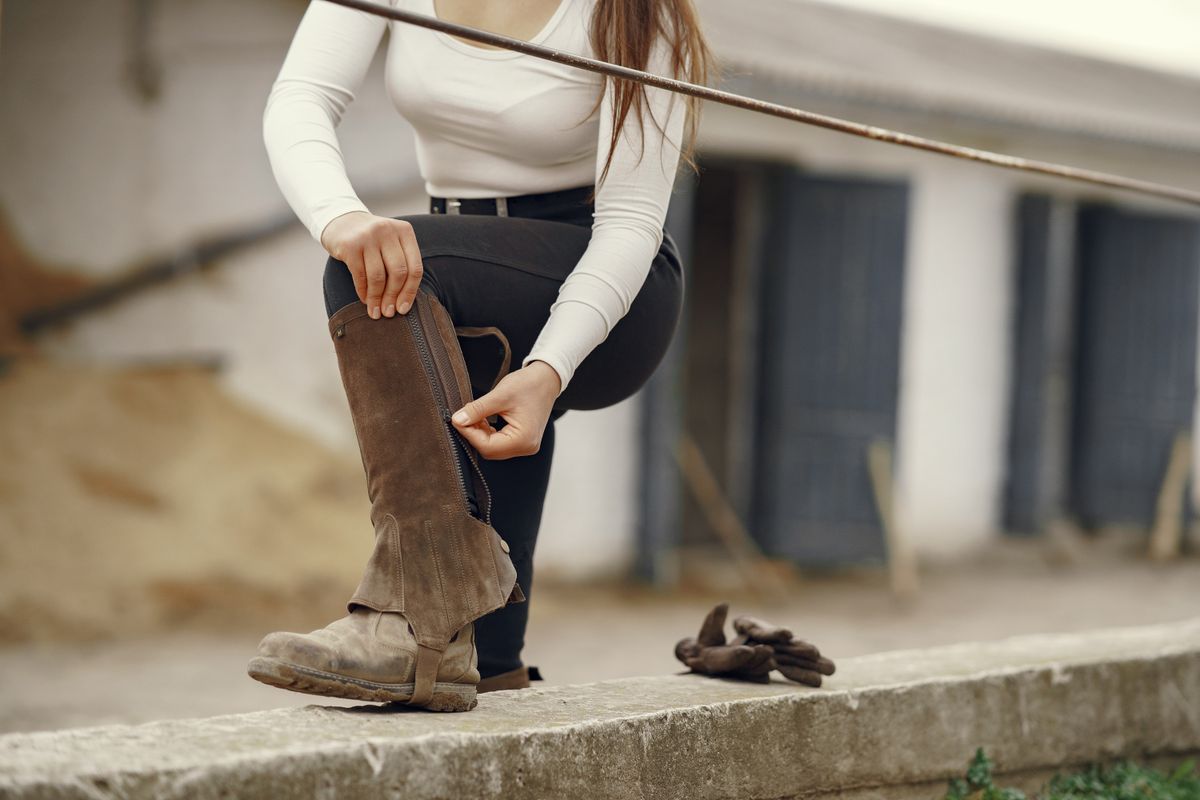
Photo by Gustavo Fring on Pexels
A genuinely ergonomic walking boot is defined by function over pure aesthetics. It must have a sole that flexes with the natural movement of your foot, a secure heel cup that prevents slippage, and upper materials that breathe and accommodate natural foot swelling. A wide toe box is only one part of the equation.
Are all round toe boots bad for walking?
No, the round toe shape itself is not the problem; it is a feature of anatomically correct footwear. The issue arises when 'stylish' boots adopt the round toe for looks but neglect the critical engineering for walking: sole flexibility, heel stability, and material performance. The problem is the incomplete application of ergonomic principles.