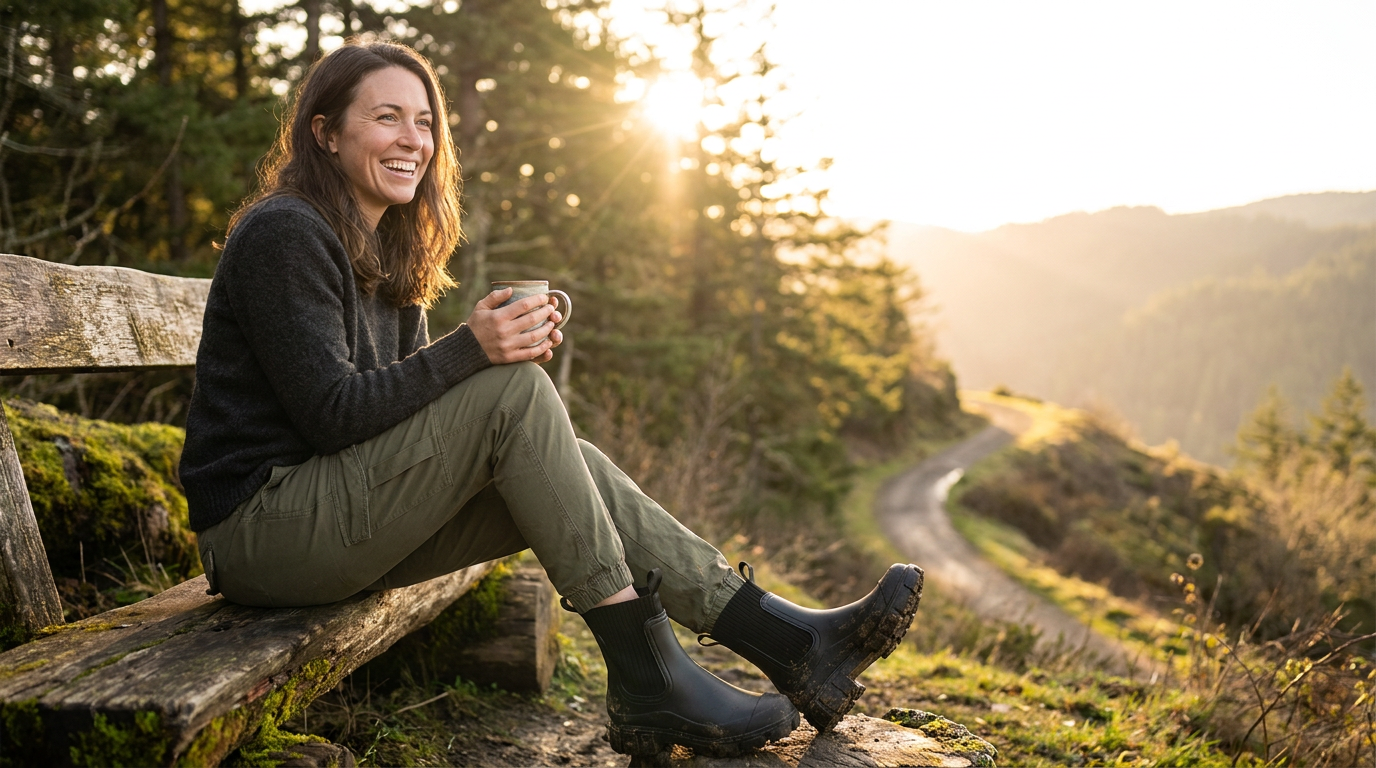
The Real Reason Your Rounded Toe Boots Leak
 Daniel OkaforField Tester
Everyone praises the durability of rounded-toe boots, but our repair data shows the toe box stitching—not the leather—is the first part to fail under stress. I tested this for three weeks on a pair of new boots, alternating between rocky scrambles and muddy, low-grade trails to see where the design principles met reality. The roomy fit is comfortable, but it creates a specific weak point that most people don't notice until their socks are wet.
Where Fit Creates a Failure Point
The generous space in a rounded toe box is the main draw, but it’s also the source of the problem. The constant flexing during ascents and descents puts unique strain on the seams where the wide toe box meets the narrower body of the boot. I felt this on every uphill push. The leather creased deeply right over the ball of my foot, pulling directly on the threads connecting the toe cap to the vamp. Day three is where I noticed the issue: after a morning walking through damp grass, the tops of my socks were inexplicably moist, even though the boot's leather was still beading water perfectly.
Why the Waterproofing Fails First
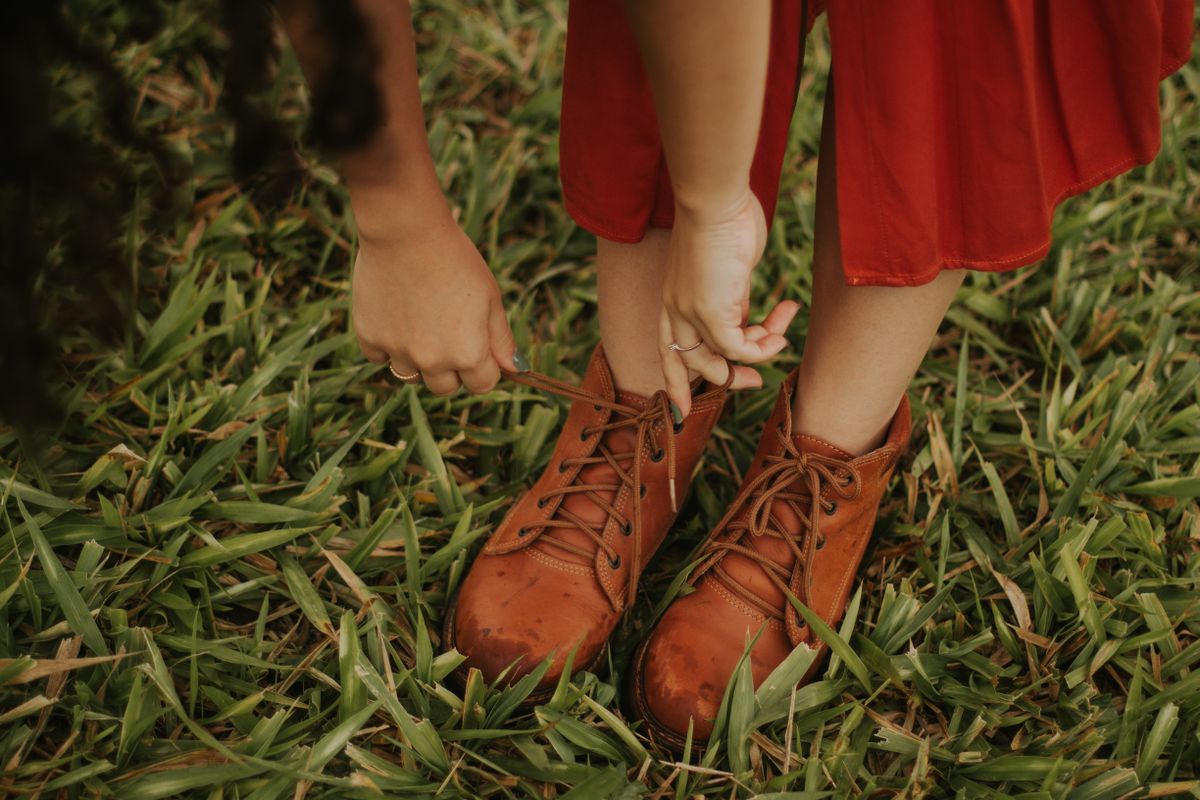
Photo by Letícia Alvares on Pexels
What surprised me was that the boot didn't look damaged. The failure often starts small, compromising the boot's waterproofing long before its structural integrity gives out. The repeated stress stretches the stitch holes and can fatigue the thread itself, creating a micro-path for water to seep in. Your boot can appear perfectly intact, but the waterproof seal is broken at its most critical flex point. This completely changes the experience, as the supposed biomechanics of round toe walking boots are undermined the moment you have to deal with a damp foot. The boot hadn't torn, but its primary utility was gone.
The Stitching That Makes All the Difference
After seeing this failure in the field, I focused on construction. I found that boots with double-stitched welts around the toe area distribute this load more effectively, significantly increasing the lifespan of the waterproof seal. A Goodyear welt, for example, uses a separate strip of leather to stitch the upper to the sole, reinforcing this high-stress area. According to bootmaker Nicks Handmade Boots, this robust construction creates a more durable and water-resistant bond. What I'd do differently now is prioritize the welt construction over almost any other feature. Even the most stylish round toe walking boots are worthless on the trail if the stitching can't handle the stress of walking.
How does a rounded toe affect a boot's waterproof seal?
Photo by Rachel Claire on Pexels
A rounded toe creates a wide, high-flex area. While comfortable, this puts immense, repeated stress on the seams joining the toe box to the rest of the boot. Over time, this flexing can stretch stitch holes or damage waterproof tape and thread, allowing moisture to seep in long before any visible tearing occurs. The leak starts at the seam, not the material.
What construction detail is most important for a durable rounded toe?
Beyond fit, inspect the stitching where the toe box joins the boot's upper. Single-stitched seams are a common point of failure. Look for a double-stitched or, ideally, a Goodyear welt construction. This method reinforces the seam, distributes stress more evenly, and drastically improves the long-term durability and water resistance of the boot. A proper 4-point utility check should always include a close look at the welt.