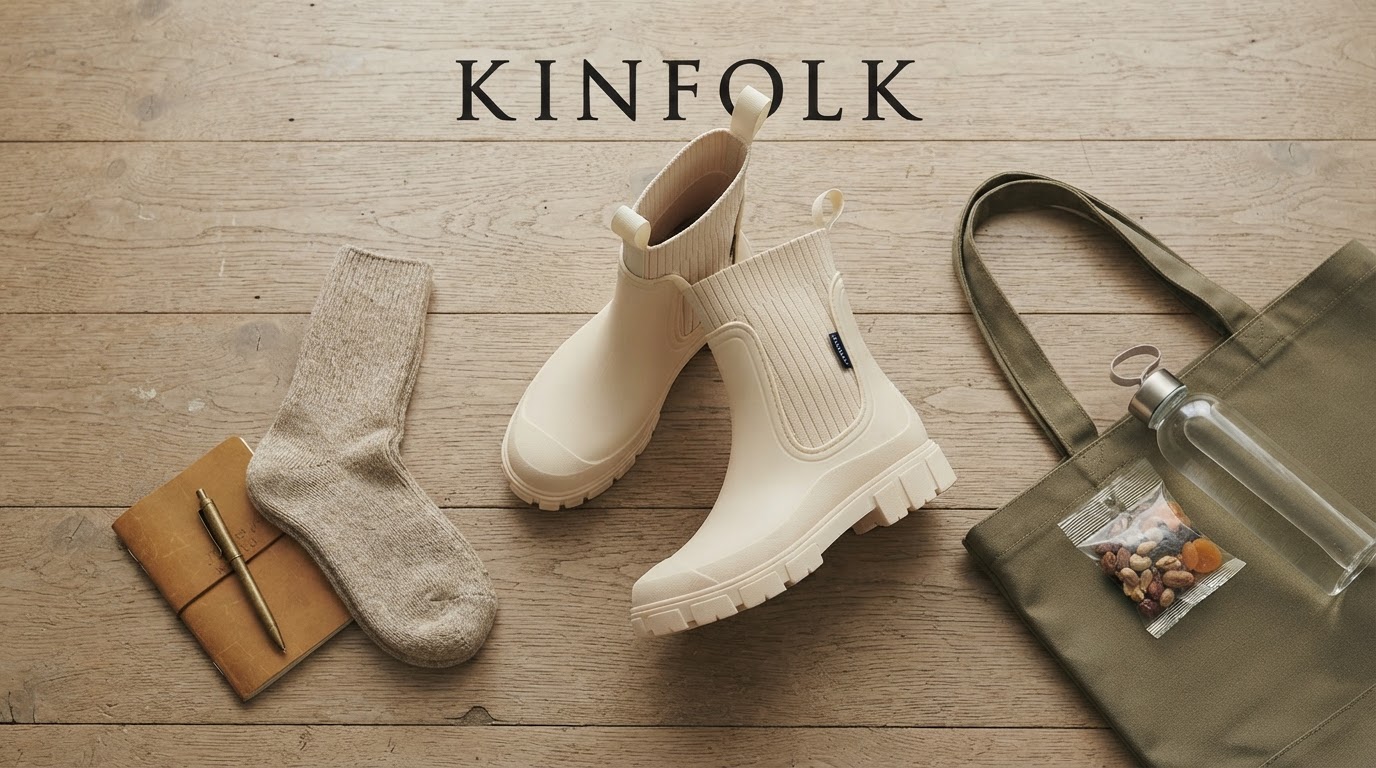
Selecting Women’s Outdoor Boots | Rounded Toe Design for Daily Walking
 Priya RamanSenior Analyst
August 22, 2026. This technical analysis explores the ergonomic and aesthetic integration of rounded toe box geometry in modern walking footwear. It is written for active consumers requiring a transition from urban pavement to light trail environments without sacrificing structural foot health.
Selecting high-performance walking gear requires a framework that balances biomechanical freedom with external protection. Think of it as a matrix of spatial volume and structural support. The spatial volume refers to the internal room available for natural toe splay, while structural support defines the boot's ability to maintain ankle alignment during repetitive motion. When these two dimensions intersect correctly, the footwear minimizes common issues such as hallux valgus or interdigital compression. The decision rule for long-distance walking is simple: prioritize the natural arc of the foot over the narrow profiles often found in fast-fashion alternatives. By analyzing the footwear through these two axes, users can identify boots that support the kinetic chain from the ground up.
The Ergonomic Constraints of Walking Footwear
Standard footwear design often prioritizes a tapered silhouette, which frequently conflicts with the biological reality of the human foot during movement. When walking, the foot naturally expands upon impact, a process known as transverse arch flattening. If the toe box is too narrow, this expansion is restricted, leading to reduced stability and increased friction. According to the American Podiatric Medical Association, proper toe room is essential for preventing long-term structural damage and ensuring that the foot can function as a natural shock absorber. Without sufficient space, the smaller toes are forced into unnatural positions, which can exacerbate conditions like hammer toes or neuromas.
This lack of space is particularly problematic for those who transition between different environments. For example, fashionable round toe work boots for women must provide enough room for thick socks while maintaining a professional appearance, yet many designs fail to account for the necessary volume. The pressure exerted by a narrow toe box doesn't just affect the toes; it radiates upward, influencing how the ankle rotates and how the knee absorbs force. Once you see it this way, it becomes clear that the shape of the toe is not merely a stylistic choice but a critical component of orthopedic health. Proper womens outdoor boots rounded toe designs mitigate these risks by mirroring the natural curvature of the forefoot, allowing for a more efficient gait cycle and reduced fatigue over long distances.
Structural Advantages of Women’s Outdoor Boots | Rounded Toe Design
Photo by Gustavo Fring on Pexels
The Women’s Outdoor Boots | Rounded Toe Design specifically addresses the limitations of tapered footwear by utilizing a wide-radius arc at the front of the boot. This design choice ensures that the first and fifth metatarsals are not compressed, which is vital for maintaining balance on uneven surfaces. By providing a larger surface area for the toes to grip, these boots enhance the wearer's proprioception—the body's ability to sense its position in space. This is a significant advantage when navigating slippery or unstable terrain, a common requirement for those seeking stylish rounded toe snow boots during the winter months.
The construction of these boots focuses on a specific internal geometry that allows for the vertical and horizontal expansion of the foot. Unlike pointed or almond-shaped toes that force the big toe into an inward angle, the rounded design permits the hallux to remain straight. This alignment is the foundation of a powerful toe-off during the walking stride. Furthermore, the increased volume in the forefoot area allows for better air circulation, which helps regulate temperature and reduce moisture buildup—key factors in preventing blisters. When integrated into a comprehensive womens outdoor boots rounded toe strategy, this design ensures that the boot remains comfortable for hours of continuous wear. The materials used in this specific brand are selected to maintain this shape over time, preventing the collapse of the toe box that often occurs in lower-quality footwear. This structural integrity is what separates a dedicated walking boot from a generic fashion boot, ensuring that the fashionable round toe work boots for women remain as functional as they are visually appealing.
A Framework for Selecting Walking Boots

Photo by Maksim Goncharenok on Pexels
When evaluating a walking boot, two axes matter here: the degree of toe box curvature and the flexibility of the sole unit. A boot with a rounded toe but an overly rigid sole may still cause discomfort by preventing the natural roll of the foot. Conversely, a flexible boot with a narrow toe will lead to cramping. The ideal selection occupies the quadrant where high toe-box volume meets responsive mid-sole cushioning. To ensure the best fit, follow this decision framework:
- Verify that there is at least a half-inch of space between your longest toe and the front of the boot while standing.
- Check for adequate width at the ball of the foot to prevent lateral compression during the mid-stance phase of walking.
- Ensure the heel counter is firm enough to prevent slippage, which can force the toes forward into the front of the boot.
- Test the boot with the specific moisture-wicking socks you intend to wear during your outdoor activities.
- Confirm that the rounded toe maintains its height and does not press down on the tops of the toenails.
Shop Women’s Outdoor Boots | Rounded Toe Design here.