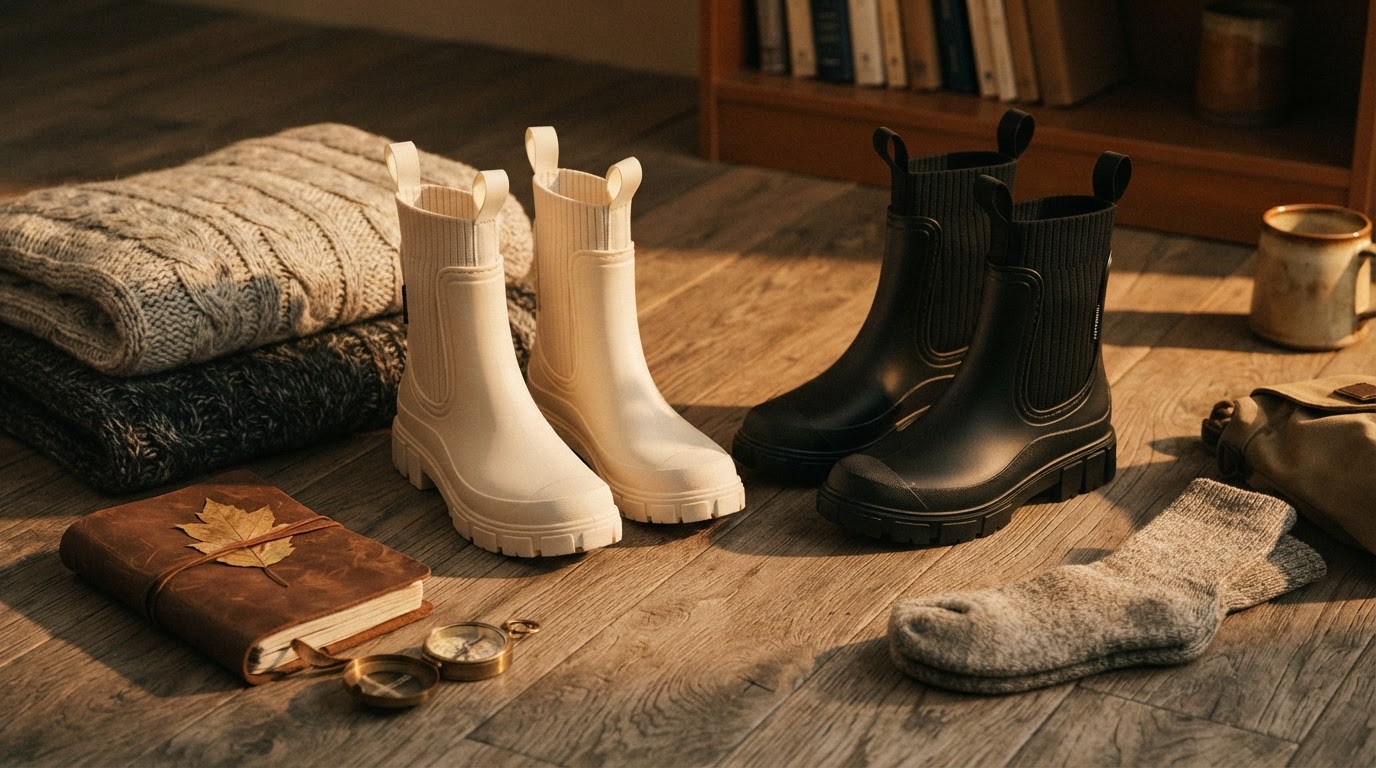
Selecting Stylish Round Toe Walking Boots for Longevity
 Priya RamanSenior Analyst
October 8, 2026. This analysis evaluates the mechanical and aesthetic benefits of anatomical toe boxes in modern footwear. It is designed for consumers seeking a balance between high-performance outdoor durability and everyday visual appeal.
To understand the current market, think of it as a matrix of spatial volume and structural support. When evaluating Women’s Outdoor Boots | Rounded Toe Design, two axes matter here: the lateral expansion of the forefoot and the vertical clearance of the toe cap. By plotting these dimensions, we can differentiate between boots that merely look comfortable and those that provide the physiological benefits required for high-mileage walking. Once you see it this way, the distinction between a standard fashion boot and a purpose-built walking tool becomes clear. The decision rule is to prioritize boots that offer a minimum of 5mm of clearance beyond the longest toe while maintaining a secure heel lock to prevent forward sliding.
The Ergonomic Constraints of Traditional Footwear
The primary conflict in footwear design often stems from the tension between narrow aesthetic silhouettes and the natural biomechanics of the human foot. According to Kleinschmidt's Western Store, a round silhouette gives toes natural space, which is critical for long wear, colder months, and wider feet compared to snip or pointed toe designs. When the forefoot is compressed, the foot’s ability to absorb shock is significantly diminished. This compression leads to common issues such as bunions or nerve impingement, which are exacerbated during long-distance walking on hard surfaces.
In the context of women's outdoor boots rounded toe, the design must account for the natural swelling that occurs after several miles of activity. Without sufficient room, the circulatory system is restricted, leading to cold extremities and fatigue. This is why many manufacturers are moving toward a more anatomical shape that mirrors the actual structure of the foot rather than following shifting fashion trends. Furthermore, womens rounded toe hiking boots demonstrate that a wider surface area at the front of the boot increases stability on uneven terrain. By allowing the toes to splay, the body’s center of gravity is more effectively managed, reducing the risk of ankle rolls. The industry shift toward these ergonomic shapes reflects a growing consumer demand for footwear that supports health without sacrificing the clean lines associated with a classic round-toe aesthetic.
Technical Features of Women’s Outdoor Boots | Rounded Toe Design
The specific engineering of Women’s Outdoor Boots | Rounded Toe Design addresses these ergonomic constraints through a multi-layered approach to construction. Unlike standard footwear, these boots utilize a reinforced toe box that maintains its shape under pressure, ensuring that the leather or synthetic upper does not collapse onto the foot. This is particularly important when navigating steep descents where the foot naturally shifts forward. As noted by Nordstrom in their selection of Women's Round Toe Comfortable Shoes, the integration of arch support and cushioned insoles is a standard requirement for maintaining comfort throughout a full day of activity.
When comparing these to comfortable round toe hiking boots, the emphasis remains on the internal volume. The Women’s Outdoor Boots | Rounded Toe Design specifically incorporates a wider last—the 3D mold used to shape the boot—which provides more girth around the ball of the foot. This extra room is not just for comfort; it allows for the use of thicker moisture-wicking socks, which are essential for temperature regulation in outdoor environments. The outsole of these boots is typically composed of high-traction rubber compounds that complement the wider footprint of the round toe, providing a larger contact patch with the ground. This synergy between the upper shape and the lower traction system creates a stable platform for the walker. By focusing on womens rounded toe hiking boots specifically designed for the female foot morphology, which generally features a narrower heel relative to the forefoot, these boots eliminate the heel slippage often found in unisex models. The result is a boot that feels custom-fitted, providing the necessary security for both urban streets and light trail use.
A Framework for Selecting Walking Footwear
Selecting the right boot requires a systematic evaluation of both fit and material composition. As highlighted in the Rose Anvil technical reviews on YouTube regarding wide toe work boots, the quality of the insole and the flexibility of the midsole are just as important as the exterior shape. A round toe provides the space, but the internal components provide the energy return. When auditing your options, consider the specific environment where the boot will see the most use. A boot optimized for city walking may prioritize a softer, more flexible sole, whereas one intended for rocky paths requires a stiffer shank for protection.
To ensure you are selecting the most effective pair of Women’s Outdoor Boots | Rounded Toe Design, utilize the following decision framework:
- Verify the Toe Gap: Ensure there is roughly a thumbnail’s width between your longest toe and the end of the boot while standing.
- Assess Forefoot Flex: The boot should bend at the ball of the foot, not in the middle of the arch, to facilitate a natural walking gait.
- Check for Heel Lockdown: When laced, your heel should not lift more than a few millimeters when walking uphill.
- Evaluate Material Breathability: Look for full-grain leather or high-tech membranes that allow moisture to escape while blocking external water.
- Confirm Insole Compatibility: Ensure the factory insole provides adequate arch support or is removable to accommodate custom orthotics if needed.
Shop Women’s Outdoor Boots | Rounded Toe Design here.
Sources
- Women's Boots - The Walking Company
- Womens Round Toe Boots - Kleinschmidt's Western Store
- ($3,628) Top 11 Wide Toe Work Boots - YouTube