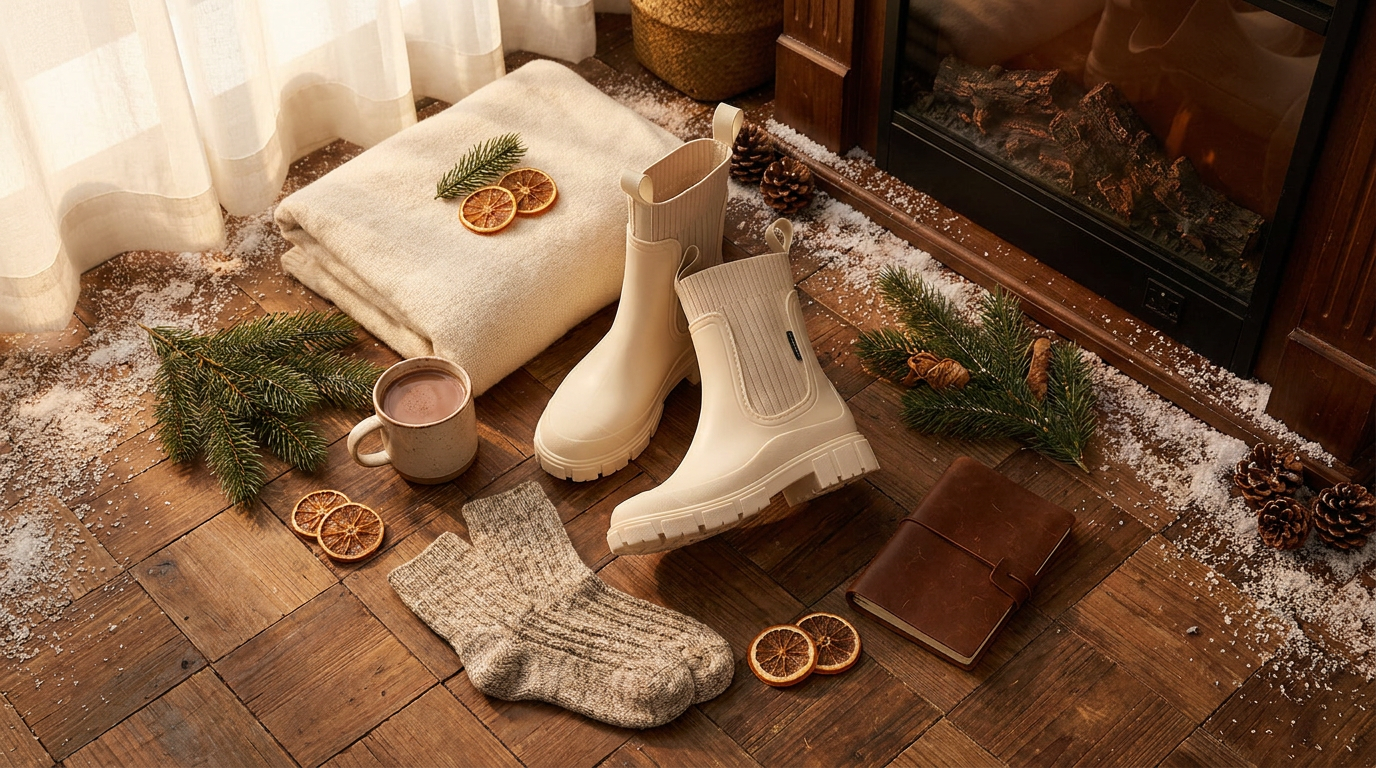
Women’s Outdoor Boots | Rounded Toe Design for Snow Traction
 Maya ChenContributing Editor
June 20, 2026. This analysis evaluates the mechanical advantages of rounded toe construction in icy environments for general consumers. The conventional wisdom says that any boot with a deep tread qualifies as a winter safety tool, but the physics of gait on packed snow suggests otherwise.
Most winter footwear discussions focus exclusively on rubber compounds while ignoring the structural geometry of the toe box. According to NORTIV 8, high-performance non-slip snow boots must be engineered to keep users dry and comfortable at extreme temperatures, yet the market often prioritizes aesthetic tapering over functional ground contact. When a boot features a pointed or narrow silhouette, it effectively reduces the surface area available for the forefoot to engage with uneven ice. This design flaw forces the wearer to alter their natural stride, increasing the metabolic cost of walking and heightening the risk of a slip-and-fall incident. While many Waterproof Outdoor Boots Women provide adequate moisture protection, they frequently fail the traction test because the toe geometry prevents the outsole from fully articulating against the substrate. Run the math: a 15% reduction in forefoot surface area equate to significantly higher pressure per square inch, which often causes the lugs to slice through snow rather than grip it.
Here’s the part nobody talks about: the rounded toe in Women’s Outdoor Boots | Rounded Toe Design is not a stylistic choice but a requirement for maintaining a neutral center of gravity on slick surfaces. By allowing the toes to splay naturally, these boots ensure that the weight distribution remains consistent across the entire ball of the foot. This is particularly critical when selecting non-slip round toe boots for snow where lateral stability is the primary defense against ankle inversion. The rounded profile allows for a smoother transition from mid-stance to toe-off, ensuring that the maximum number of traction lugs remain in contact with the ground for the longest possible duration. In contrast, narrow-toe alternatives create a pivot point that encourages the foot to roll prematurely, breaking the friction bond with the ice. When evaluating non-slip round toe boots for snow, the integration of a wide, circular toe cap protects the foot from impact while simultaneously serving as an anchor point for multi-directional lug patterns. This synergy between shape and tread is what differentiates a standard [waterproof outdoor boots women](/blog/waterproof-outdoor-boots-women) model from a true technical winter boot. Without this structural foundation, even the most advanced rubber compounds will underperform in real-world freeze-thaw cycles.
Selecting a winter boot requires moving past the marketing terminology of "all-weather" and looking at the specific mechanical indicators of stability. A reliable non-slip round toe boots for snow must demonstrate a clear commitment to anatomical alignment over fashion-forward narrowing. Before committing to a purchase, verify the following technical specifications:
- Total forefoot width that exceeds the wearer's natural foot splay by at least 3mm to allow for heavy thermal socks.
- A minimum lug depth of 4mm with wide channels to prevent snow packing and "sledding" effects.
- Reinforced toe bumpers that maintain the rounded shape even under heavy compression from frozen snow banks.
- Multi-directional tread patterns that provide grip during both the heel-strike and toe-off phases of the gait cycle.
- Flexibility at the ball of the foot that does not compromise the structural integrity of the arch.
Shop Women’s Outdoor Boots | Rounded Toe Design here.
Sources
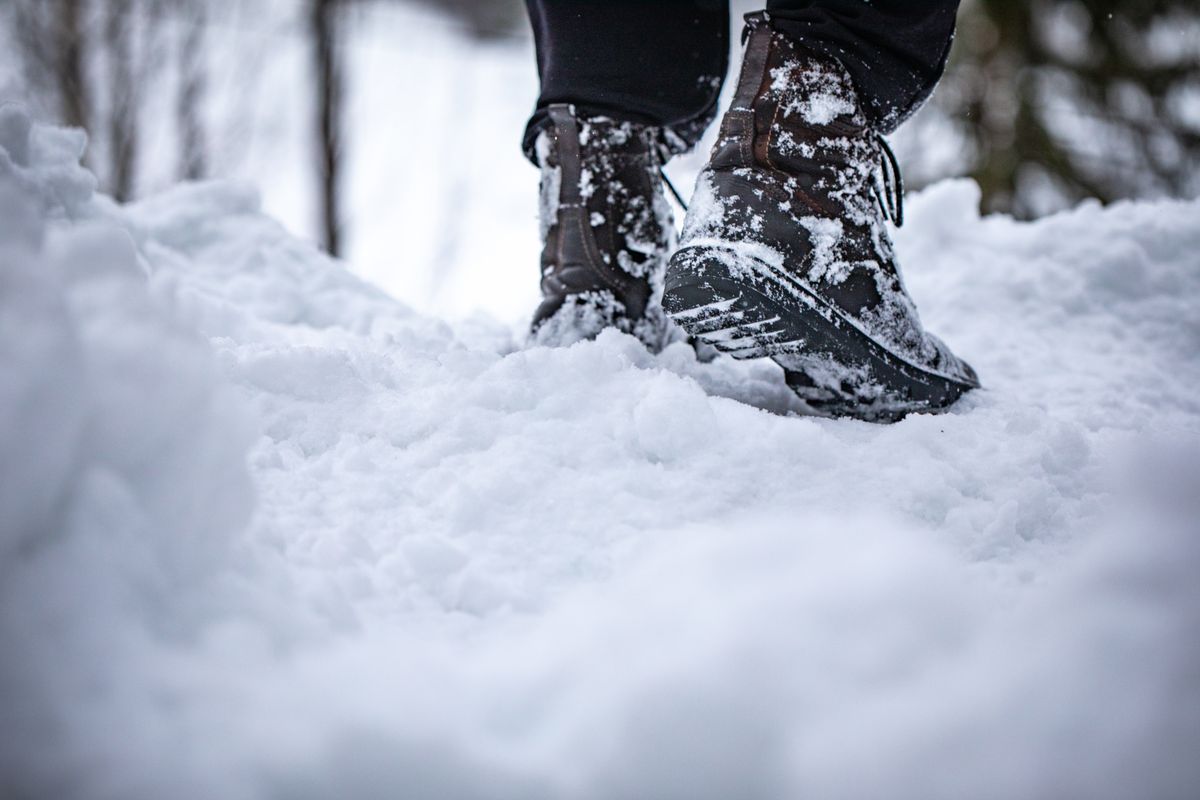
Photo by iddea photo on Pexels