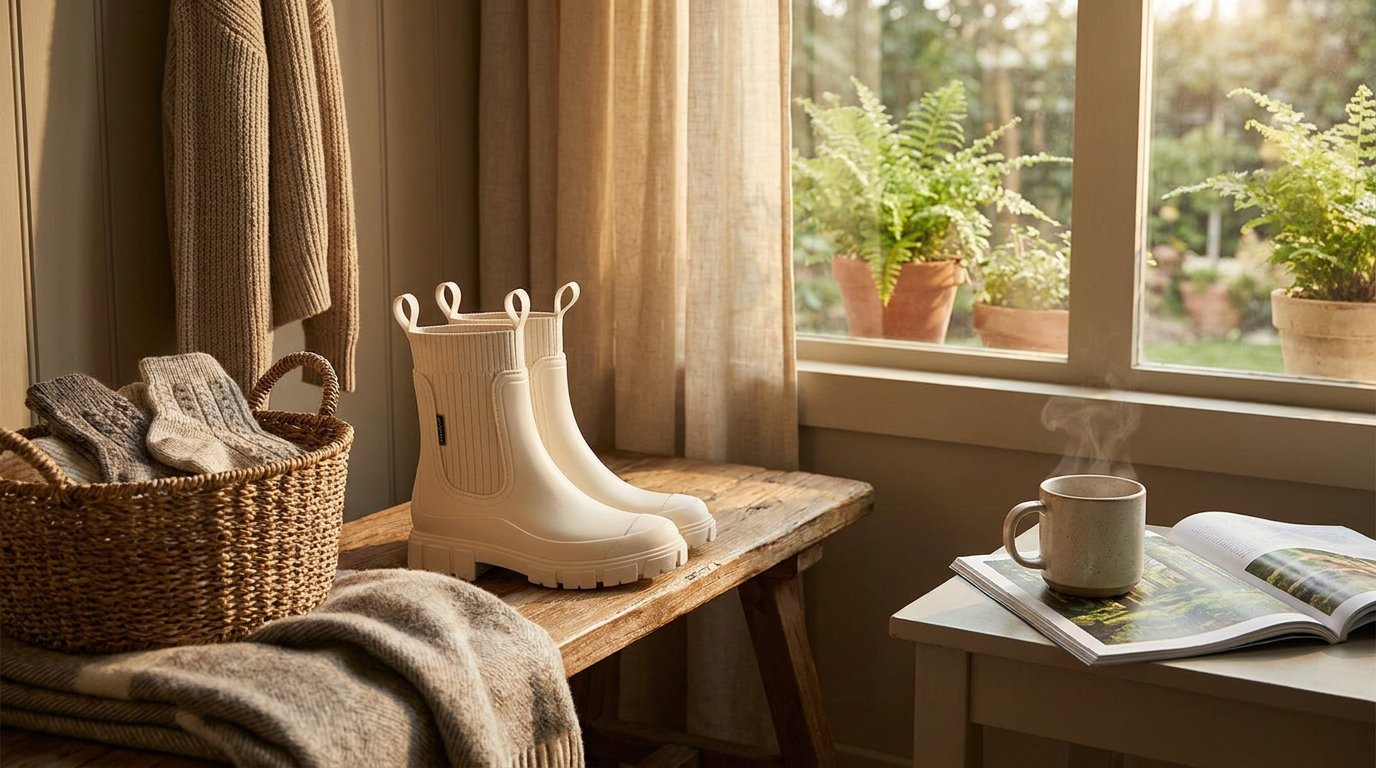
Women’s Outdoor Boots | Rounded Toe Design for Wide Feet
 Maya ChenContributing Editor
June 10, 2026. This analysis examines the biomechanical necessity of anatomical toe boxes for hikers requiring extra volume. It is written for consumers who find standard athletic lasts restrictive during high-mileage descents.
The Failure of Standard Tapered Lasts
The conventional wisdom says that a snug fit is the primary deterrent for blisters, yet this industry standard often ignores the reality of foot swelling. When a hiker covers ten miles, the foot expands significantly in both width and volume. According to RunRepeat, many major brands like Salomon and Adidas have had to introduce specific wide-toe box versions to accommodate this physiological shift. The problem with the traditional pointed toe is that it forces the hallux—the big toe—into a valgus position, reducing stability and increasing the risk of bunions. Run the math: a boot that fits perfectly in a climate-controlled store at 10:00 AM will likely be 5% to 8% too small by 4:00 PM on a mountain trail. This is why comfortable hiking boots for wide feet must prioritize horizontal space over aesthetic tapering. Most manufacturers prioritize a sleek silhouette that mimics street shoes, but for the serious trekker, this design choice is a functional liability. The industry consensus that a "locked-in" feel requires a narrow forefoot is a fallacy that prioritizes midfoot security at the expense of natural toe splay. While waterproof outdoor boots women often focus on membrane technology, the underlying geometry of the boot remains the most frequent point of failure for those with wider foot profiles.Biomechanics of the Rounded Toe Design
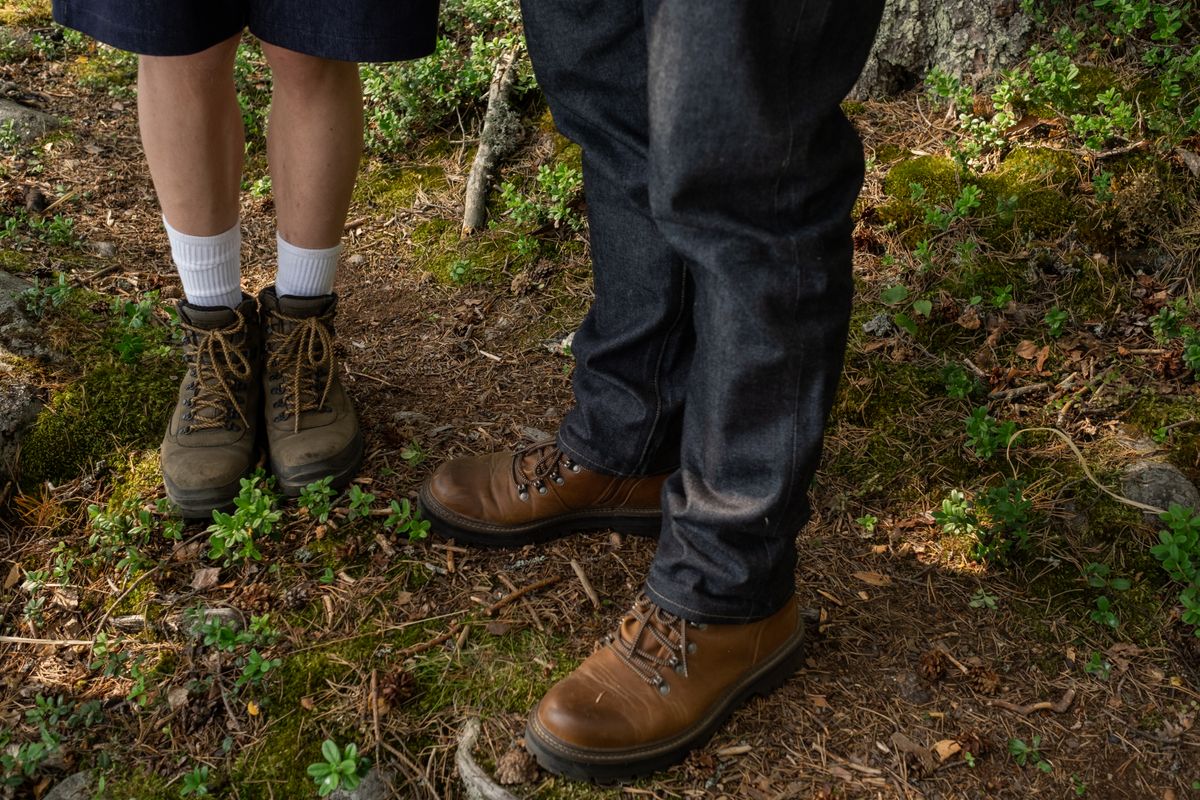
Women’s Outdoor Boots | Rounded Toe Design addresses these structural issues by abandoning the aggressive taper found in fashion-forward outdoor gear. Here's the part nobody talks about: a rounded toe isn't just about comfort; it's about leverage. By allowing the toes to remain in their natural alignment, the boot enables a more powerful push-off and better balance on uneven terrain. This specific geometry provides a higher vertical ceiling in the toe box, which is critical for hikers who use orthopedic insoles or have high arches. Unlike waterproof outdoor boots women that use restrictive synthetic overlays, this design utilizes the natural curve of the foot to dictate the outer shell's shape. Outdoor Gear Lab notes that models like the Topo Athletic Trailventure 2 have gained market share precisely because they reject the narrow-toe status quo in favor of a wider, more anatomical footprint. This approach ensures that the comfortable hiking boots for wide feet category isn't just about adding more fabric to the sides, but about reshaping the entire foundation of the footwear. When the foot can expand without hitting the lateral walls of the boot, the friction that leads to hot spots is virtually eliminated. This design philosophy also improves thermal regulation; a cramped foot has restricted blood flow, which leads to colder extremities in winter conditions. By maintaining a consistent internal volume, the rounded toe design supports better circulation.
Evaluating Volume and Width in Outdoor Footwear
Selecting footwear for wide feet requires a more rigorous framework than simply checking a 'Wide' box on a website. Most 'wide' variants are simply the same sole unit with more upper material, which does nothing to prevent the foot from hanging over the edge of the midsole. I'll change my mind when brands start widening the actual platform for every size variant, but until then, consumers must look for specific geometric markers. When assessing Women’s Outdoor Boots | Rounded Toe Design, use the following checklist to ensure the fit meets the demands of technical terrain:- Verify that the widest part of the foot (the metatarsal heads) aligns with the widest part of the boot's sole.
- Ensure there is at least 1.2cm of space between the longest toe and the front of the boot to allow for downhill movement.
- Check for a straight medial line from the heel to the big toe to prevent forced inward rotation.
- Confirm the heel cup is narrow enough to prevent slippage, despite the wider forefoot.
- Assess the flexibility of the upper material to ensure it doesn't create pressure points when the foot flexes.
For those requiring a wider anatomical fit that does not compromise on protection, explore the current collection. Shop Women’s Outdoor Boots | Rounded Toe Design here.
Sources
Photo by Nacho Gomez on Pexels
- Best Hiking Boots for Wide Feet 2026 - www.hikingfeet.com
- Wide Width Hiking Footwear | REI Co-op
- 6 Best Hiking Boots For Wide Feet in 2026 | RunRepeat