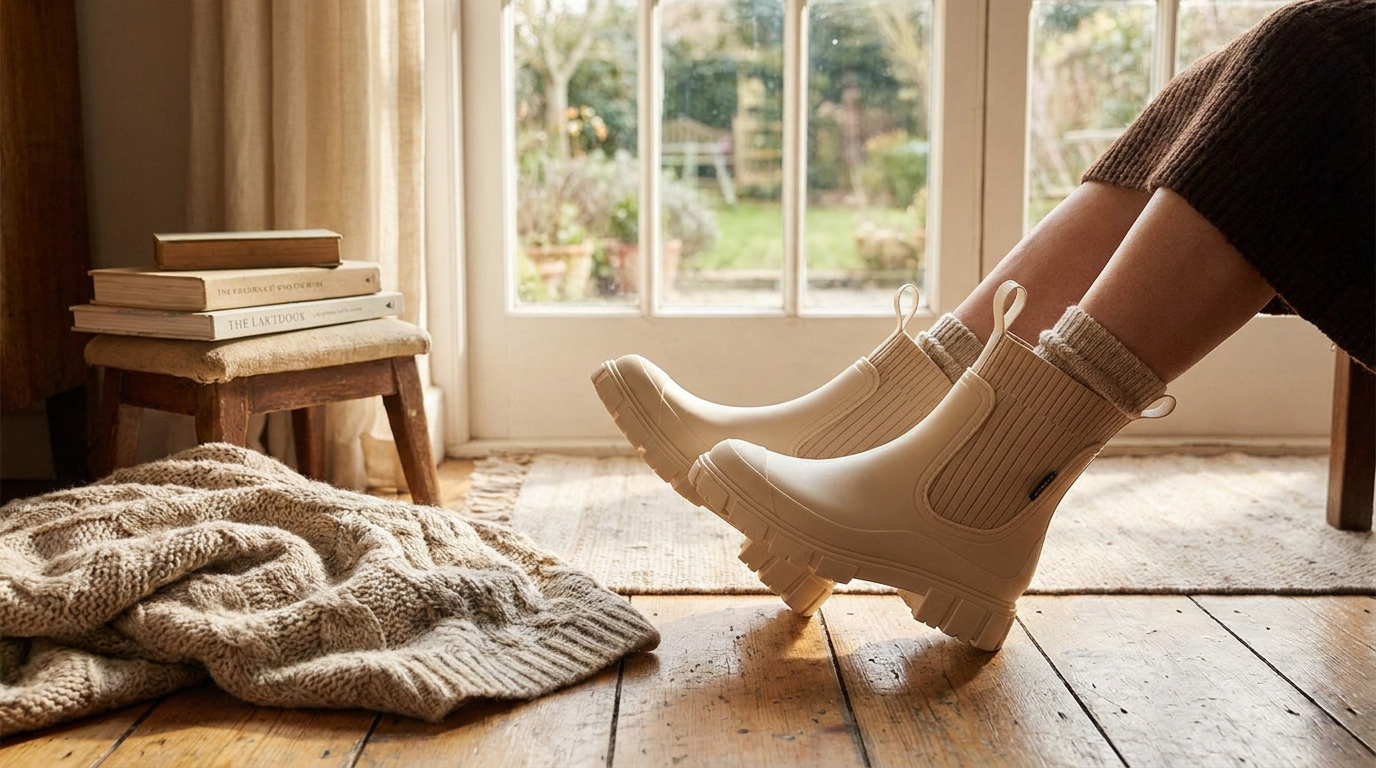
Women’s Outdoor Boots | Rounded Toe Design for Traction
 Sam VasquezBuying Guide Lead
July 9, 2026
Identifying the right non-slip round toe work boots for women requires balancing immediate comfort with long-term safety certifications. This guide is written for professionals and outdoor enthusiasts who need reliable floor contact without sacrificing the natural movement of their feet.
The Risk of Inadequate Traction in Outdoor Work
Working in outdoor or industrial environments presents a specific set of physical challenges that standard footwear simply cannot manage. When surfaces become saturated with water, mud, or industrial lubricants, the coefficient of friction between the outsole and the ground drops significantly, leading to slips and falls. According to Shoes for Crews, industry-leading anti-slip technology is essential for maintaining safety and support in these demanding conditions. For women, the problem is often compounded by boots that are merely scaled-down versions of men’s models, which can lead to a sloppy fit that actually increases the risk of tripping. If you are regularly navigating wet grass, slick concrete, or uneven terrain, the shape of the toe box matters just as much as the tread pattern. A pointed or narrow toe can force the foot into an unnatural position, reducing your ability to use your toes for balance and stability. This is why many experienced workers are shifting toward the Women's Outdoor Boots Rounded Toe philosophy, which prioritizes a wider surface area for the forefoot. Without that extra space, your foot cannot splay naturally upon impact, which is a critical component of your body's innate balance mechanism. If you find yourself constantly adjusting your stance to avoid sliding, your current boots are failing you.
Solving the Stability Gap with Rounded Toe Designs

Photo by Nacho Gomez on Pexels
Women’s Outdoor Boots | Rounded Toe Design solves the stability gap by combining a high-traction outsole with a toe box that respects human anatomy. The rounded shape isn't just a stylistic choice; it creates a larger contact patch at the front of the boot, which is vital when you are climbing ladders or pushing off from a standstill. Between the options currently on the market, I’ve looked closely at how different brands handle this. For instance, Hytest offers women’s slip-resistant work boots that often feature specialized rubber compounds designed to grip even when temperatures drop. Meanwhile, Wolverine provides steel toe options that integrate waterproof membranes and electrical hazard protection. If you're on a budget, some of the entry-level models from these major brands provide the necessary safety ratings without the high-performance price tag of specialized mountaineering gear. However, I’ve found that the non-slip round toe work boots women need must also offer a specific type of lug depth. If the lugs are too shallow, they clog with mud; if they are too deep, they feel unstable on flat, hard surfaces. The Women’s Outdoor Boots | Rounded Toe Design approach balances these needs by utilizing a multi-directional tread pattern. This ensures that whether you are walking forward, backing up, or pivoting, there is always an edge of the tread biting into the surface. Skip this if you work exclusively indoors on dry, carpeted surfaces, as the aggressive tread will likely feel cumbersome and unnecessary for your daily routine. For everyone else, the non-slip round toe work boots women require are those that allow for thick socks and natural toe movement while staying glued to the ground.
Selecting the Right Boot for Your Environment
Choosing the right pair involves more than just checking a "slip-resistant" box. You need to look at the specific certifications and materials used in the construction. For example, Cat Footwear emphasizes durable, safe, and comfy styles specifically made to tackle slippery work environments with confidence. When I’m evaluating a new pair, I look for a few non-negotiables. First, check the outsole material; rubber is generally superior to TPU for pure slip resistance on wet surfaces. Second, ensure the round toe design provides enough vertical room so your toes aren't rubbing against the top of the boot. Here’s what I’d actually buy: a boot that features a 90-degree heel breast for ladder safety and a siped outsole that channels water away from the center of the foot. Between these two—a standard soft-toe and a reinforced safety toe—I’d go with the safety toe if you’re in a construction or heavy industrial zone, but stick to the soft, rounded toe for general outdoor maintenance to save on weight. Use this checklist to verify your choice:
- ASTM F2913-19 or similar slip-resistance certification.
- A minimum of 2mm lug depth for outdoor versatility.
- A rounded toe box that allows at least a half-inch of space in front of your longest toe.
- Reinforced heel counters to prevent internal foot slippage.
- Waterproof treated leather or synthetic uppers to maintain grip in rain.
Shop Women’s Outdoor Boots | Rounded Toe Design here
Sources
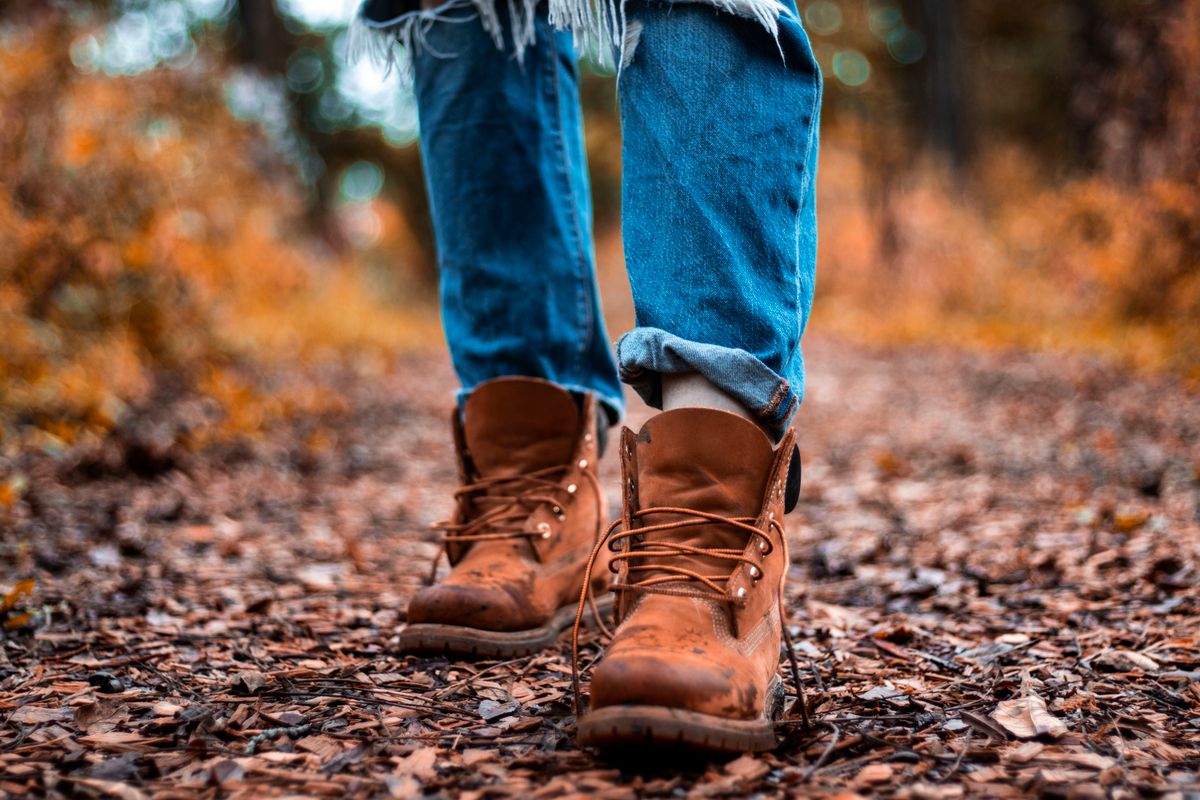
Photo by thevibrantmachine on Pexels
- Women's Slip-Resistant Work Boots
- Women's Slip Resistant Work Boots & Shoes - HYTEST
- Shop Women's Steel Toe Shoes Built to Last | Wolverine US