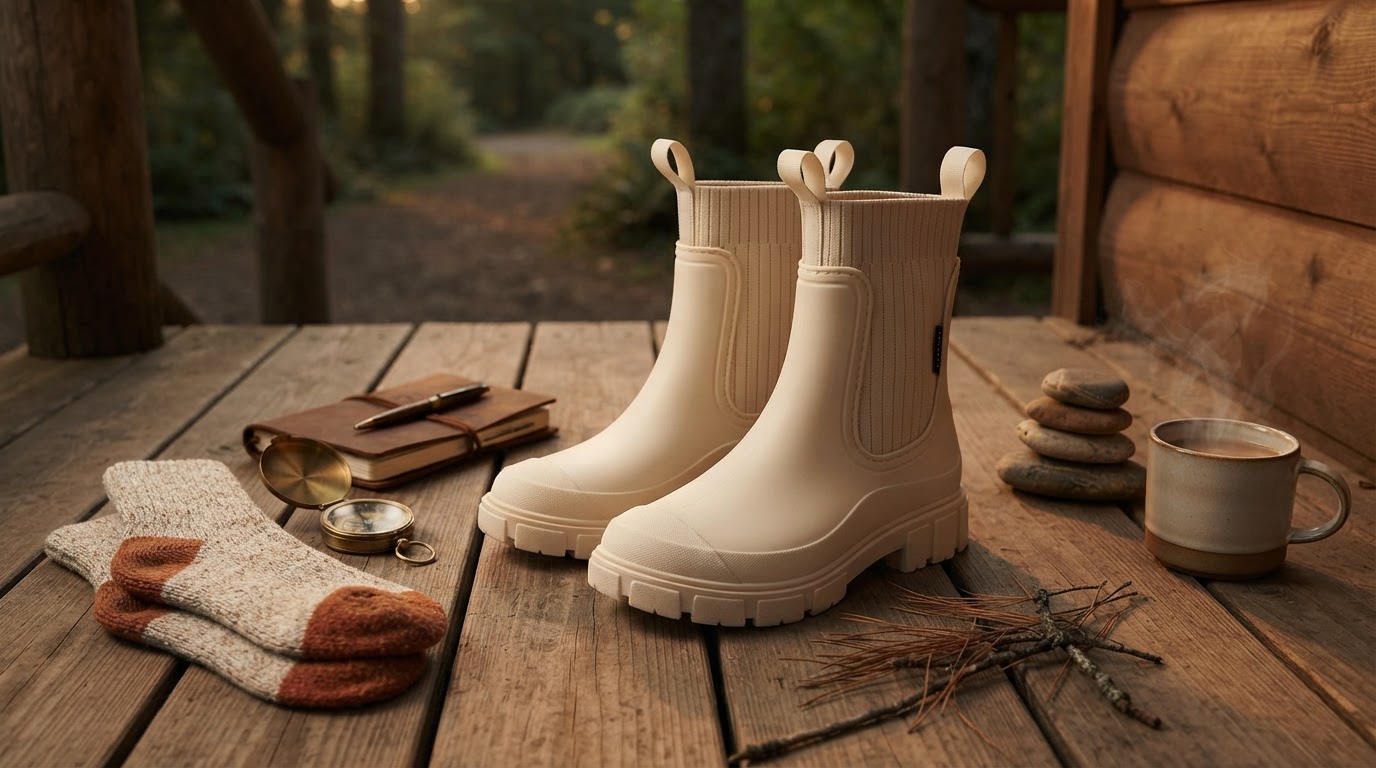
Why Women’s Outdoor Boots | Rounded Toe Design Matter for Distance
 Jordan HaleStaff Writer
July 31, 2026. This exploration details the biomechanical advantages of specific toe box geometries in rugged environments. It is written for hikers and outdoor professionals who prioritize long-term foot health over aesthetic trends.
I remember the distinct crunch of frozen pine needles under my feet during a late October trek in the Cascades. The first thing I noticed was the lack of that familiar, dull ache in my metatarsals that usually sets in by mile six. When the terrain turns unpredictable—slick with mud or jagged with loose shale—the physical space inside your footwear becomes its own ecosystem. Traditional narrow footwear often forces the hallux into a compromised position, which can lead to significant discomfort during descent. According to the American Podiatric Medical Association, proper toe room is essential for maintaining natural foot alignment and preventing common ailments like bunions or nerve compression. When you are traversing a steep incline, your foot naturally slides forward; without the volume provided by a rounded toe, that kinetic energy is absorbed directly by your toenails and joints. I have spent years testing various silhouettes, and the difference between a tapered point and a generous curve is the difference between finishing a trail with a smile or a limp.
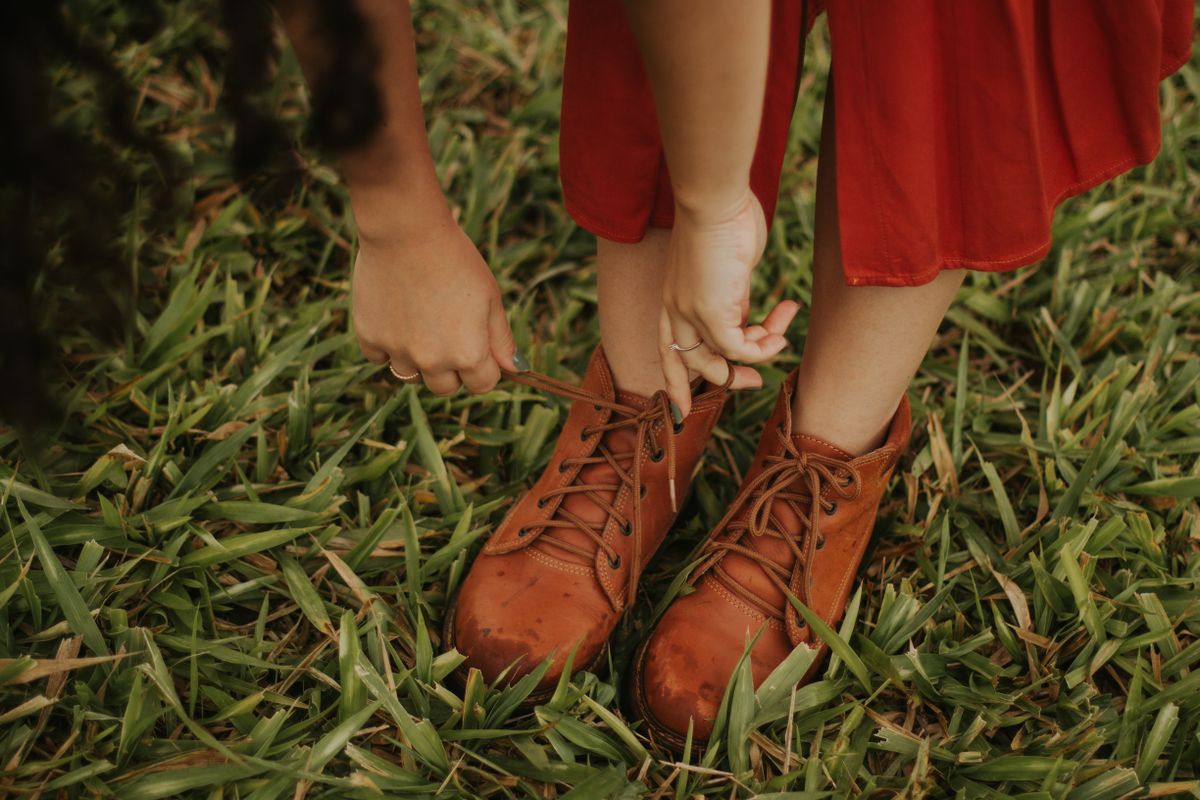
Photo by Letícia Alvares on Pexels
It turns out that the engineering behind Women’s Outdoor Boots | Rounded Toe Design is less about visual style and more about the physics of weight distribution. By allowing the toes to splay naturally, these boots facilitate better balance on uneven surfaces. The rounded shape creates a wider contact patch for the forefoot, which acts as a stabilizer when the heel is elevated. In my testing, this design allows for a thicker protective rand—the rubber wrap that shields the front of the boot—without creating pressure points against the side of the foot. Unlike pointed alternatives that can pinch the small toe, the consistent radius of this design ensures that the internal lining remains flush against the foot, reducing the friction that leads to blisters. The volume within the toe box also plays a critical role in thermal regulation. In colder climates, cramped toes lose circulation faster, leading to cold extremities. The extra air pocket afforded by the rounded geometry acts as an insulating layer, keeping warmth trapped around the digits even when the external temperature drops below freezing.
Selecting the right pair requires looking past the surface and understanding how the boot interacts with your specific gait. I keep coming back to the way a boot should feel during the 'break-in' period, which, with a properly shaped toe box, should be almost non-existent. When evaluating your next pair of Women’s Outdoor Boots | Rounded Toe Design, consider the following framework to ensure a technical fit:
- Verify there is at least a thumb's width of space between your longest toe and the front of the boot while standing.
- Ensure the widest part of your foot aligns perfectly with the widest part of the boot's sole.
- Check for vertical clearance to allow your toes to wiggle freely without hitting the top of the internal toe cap.
- Test the boot on an incline board to confirm your toes do not hit the front during a simulated descent.
- Assess the flexibility of the sole at the ball of the foot to ensure the rounded shape complements your natural stride.
Finding the right balance between durability and anatomical freedom is the key to enjoying the outdoors longer. Shop Women’s Outdoor Boots | Rounded Toe Design here.