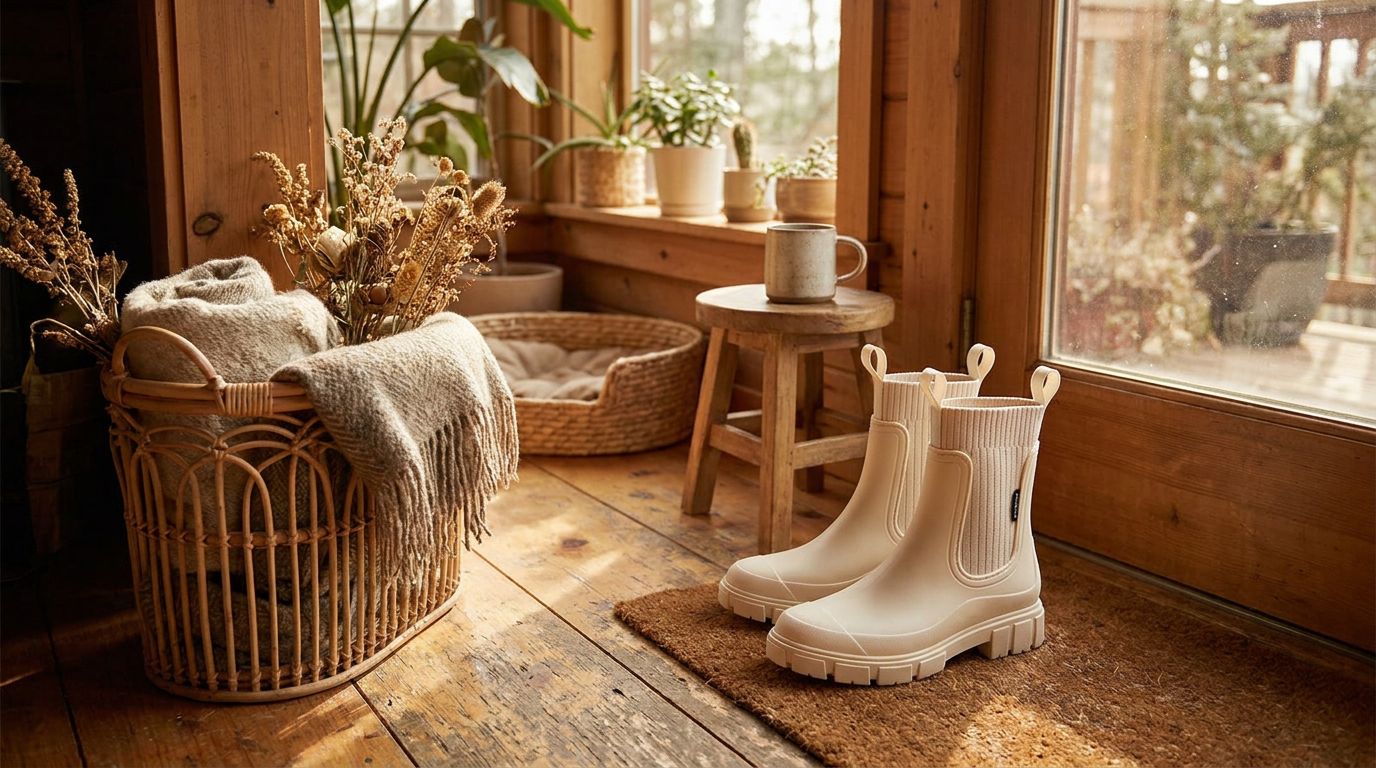
Why choose Women’s Outdoor Boots | Rounded Toe Design?
 Sam VasquezBuying Guide Lead
August 12, 2026 — Women’s Outdoor Boots | Rounded Toe Design provide a wider toe box that allows for natural toe splay, which is essential for maintaining balance and preventing blisters on uneven terrain.
I often see hikers struggling with narrow footwear that causes compression injuries over long distances. Choosing a rounded toe silhouette isn't just a stylistic preference; it is a functional requirement for anyone spending more than four hours on their feet in a single session. This design accommodates the natural swelling that occurs during strenuous physical activity, ensuring that the boot does not become a source of pain by mid-afternoon.
How does the rounded toe impact technical performance?
The rounded toe design enhances technical performance by increasing the surface area of the forefoot, which improves lateral stability on loose gravel and mud. According to biomechanical standards found in high-performance footwear design, a wider toe box allows the hallux (big toe) to remain straight rather than being pushed toward the second toe, which directly correlates to better power transfer during uphill climbs. When I am evaluating gear for steep ascents, I look for this specific geometry because it prevents the dreaded 'black toenail' caused by the foot sliding forward and hitting the front of the boot. Between these two common shapes—tapered and rounded—I’d go with the rounded design every time for technical trails. Skip this if you are exclusively doing short, flat pavement walks where precision footwork isn't a factor.
What are the long-term health benefits of this design?
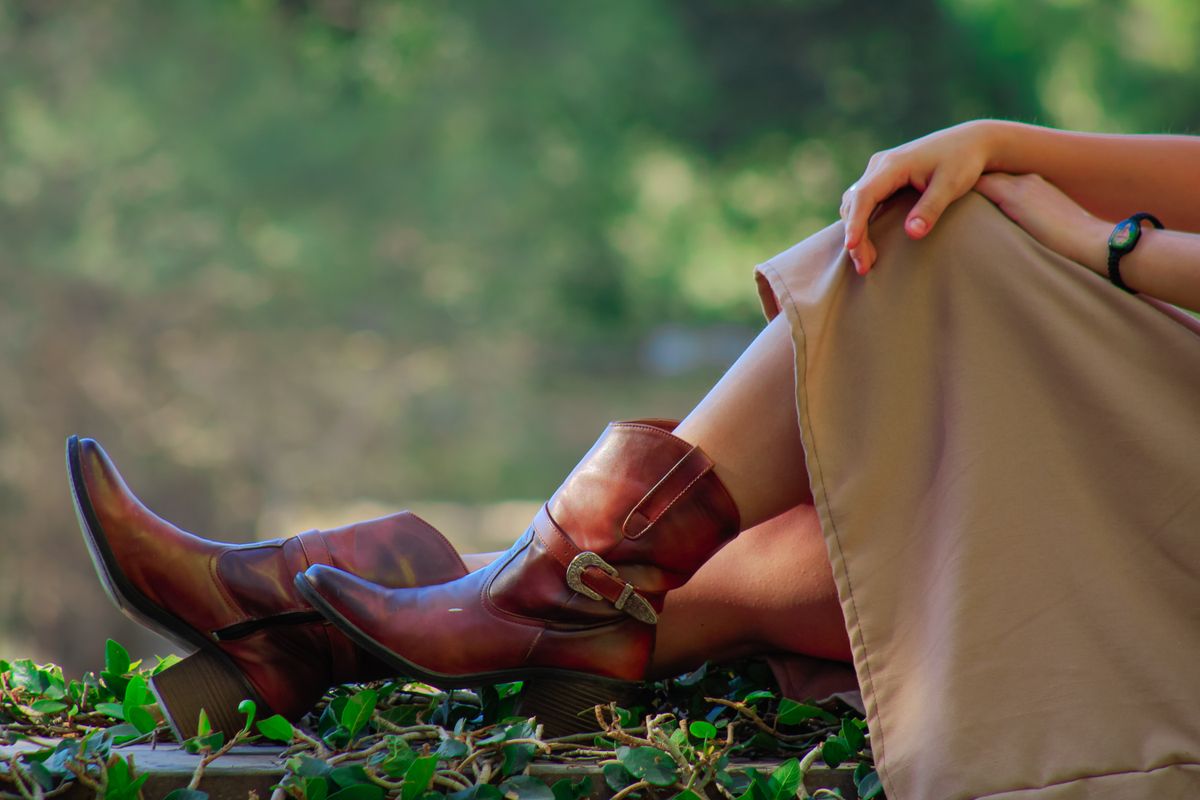
Photo by Nacho Gomez on Pexels
Long-term use of Women’s Outdoor Boots | Rounded Toe Design helps prevent chronic foot conditions such as bunions and neuromas by eliminating excessive pressure on the metatarsal heads. Research into podiatric health suggests that footwear with a restrictive toe box is a primary contributor to forefoot deformities in adult women. By allowing the foot to function in its natural shape, these boots support the structural integrity of the arch and reduce fatigue in the lower leg muscles. If you’re on a budget, you might be tempted by cheaper, fashion-focused boots with narrow toes, but the long-term cost of foot therapy far outweighs the initial investment in ergonomically sound footwear. Here's what I'd actually buy: a pair that offers at least a half-inch of clearance between your longest toe and the front of the boot to maximize these health benefits.
Quick answers
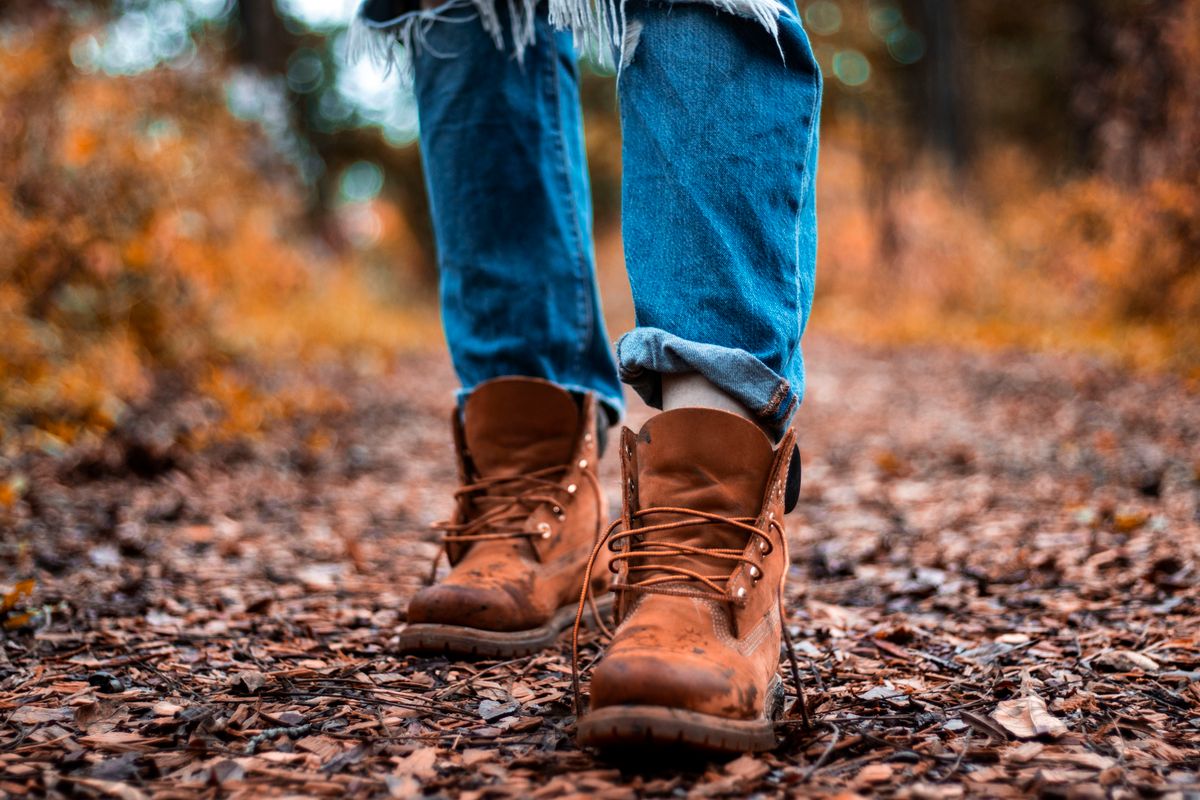
Photo by thevibrantmachine on Pexels
Q: How much space should be in the toe box? / A: You should have approximately 10 to 12 millimeters of space between your toes and the end of the boot. This gap in Women’s Outdoor Boots | Rounded Toe Design prevents bruising during steep descents.
Q: Can these boots prevent blisters? / A: Yes, the rounded shape reduces friction on the pinky toe and the side of the big toe. By minimizing skin-to-material contact in high-pressure areas, it significantly lowers the risk of heat-related friction blisters.
Q: Are rounded toe boots suitable for wide feet? / A: These boots are specifically engineered to accommodate wider forefoot measurements without requiring a 'wide' size designation. This makes them ideal for hikers who experience swelling or have a naturally broad foot shape.
For more information on selecting the right pair, see our guide on Womens Outdoor Boots Rounded Toe or check out The 4-Point Fit Check for Women’s Outdoor Boots | Rounded Toe Design. You can also read about Optimizing Trail Comfort with Women’s Outdoor Boots | Rounded Toe Design to improve your experience.
Detailed specifications and ergonomic data regarding footwear construction can be found at the American Podiatric Medical Association.
Learn more about Women’s Outdoor Boots | Rounded Toe Design at https://waterproofrainboots.com.