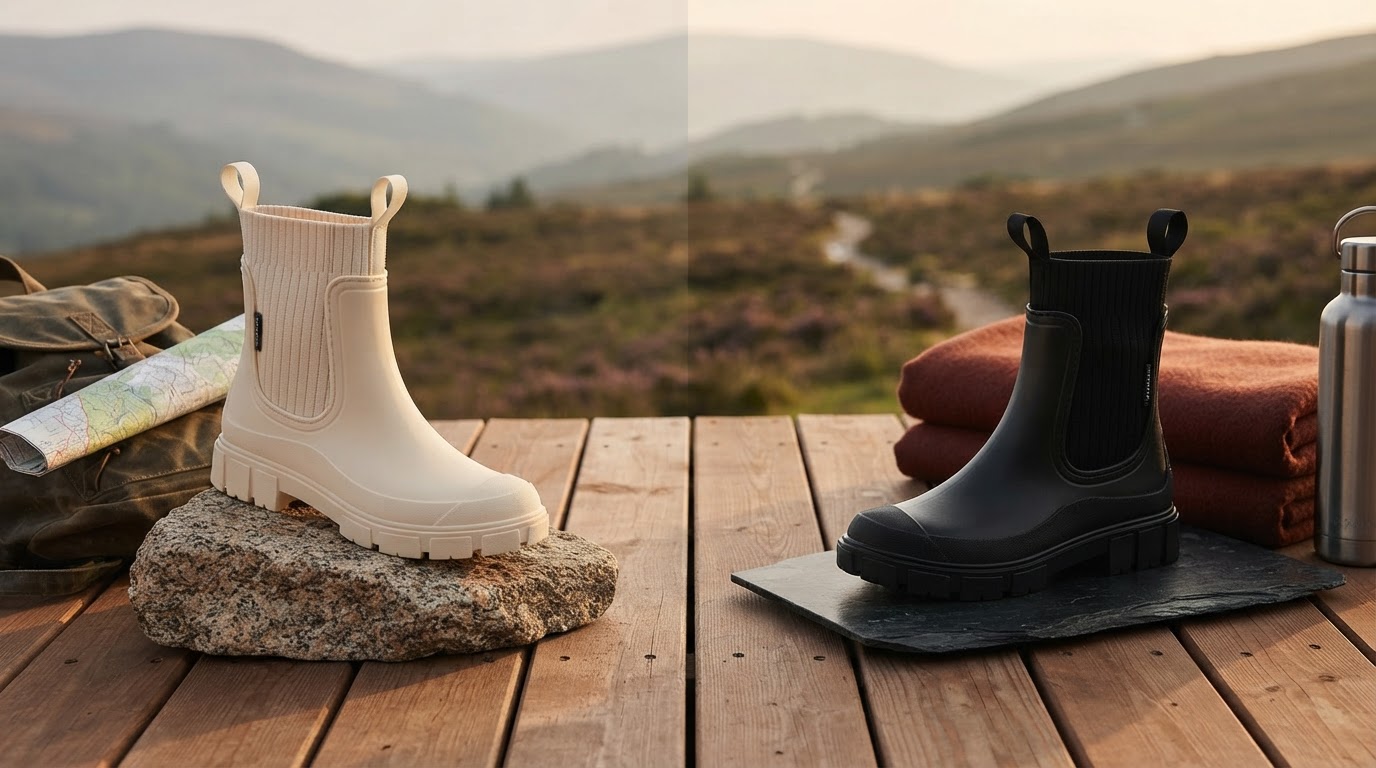
Three Frameworks for Women’s Outdoor Boots | Rounded Toe Design
 Sam VasquezBuying Guide Lead
October 3, 2026 — The shift toward biomechanically sound footwear has reached a tipping point, as more brands adopt the Women’s Outdoor Boots | Rounded Toe Design philosophy to prevent common trail injuries. I have watched this segment evolve from niche minimalist gear to a standard requirement for serious trekkers who prioritize long-term foot health.
According to technical reviews from HikingFeet.com, the primary benefit of a wider forefoot is the reduction of friction-related blisters and the prevention of neuromas, which are often caused by traditional tapered footwear. When I evaluate these boots, I look for how the shape accommodates the natural splay of the hallux without sacrificing the security of the heel cup. A wider toe box is not just about extra room; it is about providing a platform for natural movement in Women’s Outdoor Boots | Rounded Toe Design that mimics barefoot stability while maintaining rugged protection.
The Three-Point Fit Assessment
When comparing the current market leaders, the differences in volume and support become clear immediately. The Altra Olympus series is a staple for those seeking a zero-drop platform; technical measurements from RunRepeat indicate the Olympus houses a 106.4 mm wide toe box at its widest point, which is significantly more generous than standard D-width boots. If you are looking for a performance-oriented hiker with a Vibram Megagrip outsole, the Altra is a strong contender, though the zero-drop transition requires a break-in period for your Achilles. Conversely, Orthofeet offers a different approach with their Arch Booster technology, designed to distribute pressure evenly for those with existing plantar fasciitis or high arches. Between these two, I’d go with the Orthofeet if you require medical-grade orthotic support, but I prefer the Altra for pure trail agility.
For those who find traditional hikers too restrictive, non-constricting outdoor footwear for women provides a middle ground. The key is ensuring the boot doesn't just feel wide, but actually follows the anatomical curve of the foot. Skip this if you have extremely narrow feet, as the excess volume in a rounded toe design can lead to foot sliding on steep descents. If you’re on a budget, look for models that prioritize a simple rubber rand over complex overlays, which often allows the material to flex more naturally around the metatarsals. For most hikers, finding comfortable hiking boots for wide feet means balancing this forefoot width with a locked-in midfoot to prevent "toe bang" on downhill sections.
Expert tip: When testing new boots, remove the factory insole and stand on it; if any part of your foot hangs over the edge of the foam, the boot's internal volume will likely cause compression during a long hike.
Selecting the right pair involves understanding that width and shape are not interchangeable. While Altra provides a foot-shaped last, the Women’s Outdoor Boots | Rounded Toe Design framework ensures that the vertical volume is also sufficient for toes to wiggle. Here’s what I’d actually buy: a boot that combines a wide forefoot with a slightly higher ankle collar for debris protection, ensuring that comfortable hiking boots for wide feet remain functional in muddy or rocky conditions.
Shop Women’s Outdoor Boots | Rounded Toe Design.
Sources
- Best Hiking Boots with Wide Toe Box 2026 - www.hikingfeet.com
- Wide Toe Box Hiking Shoes & Footwear | Altra Running US
- Hiking Boots with Wide Toe Box for Women - Orthofeet